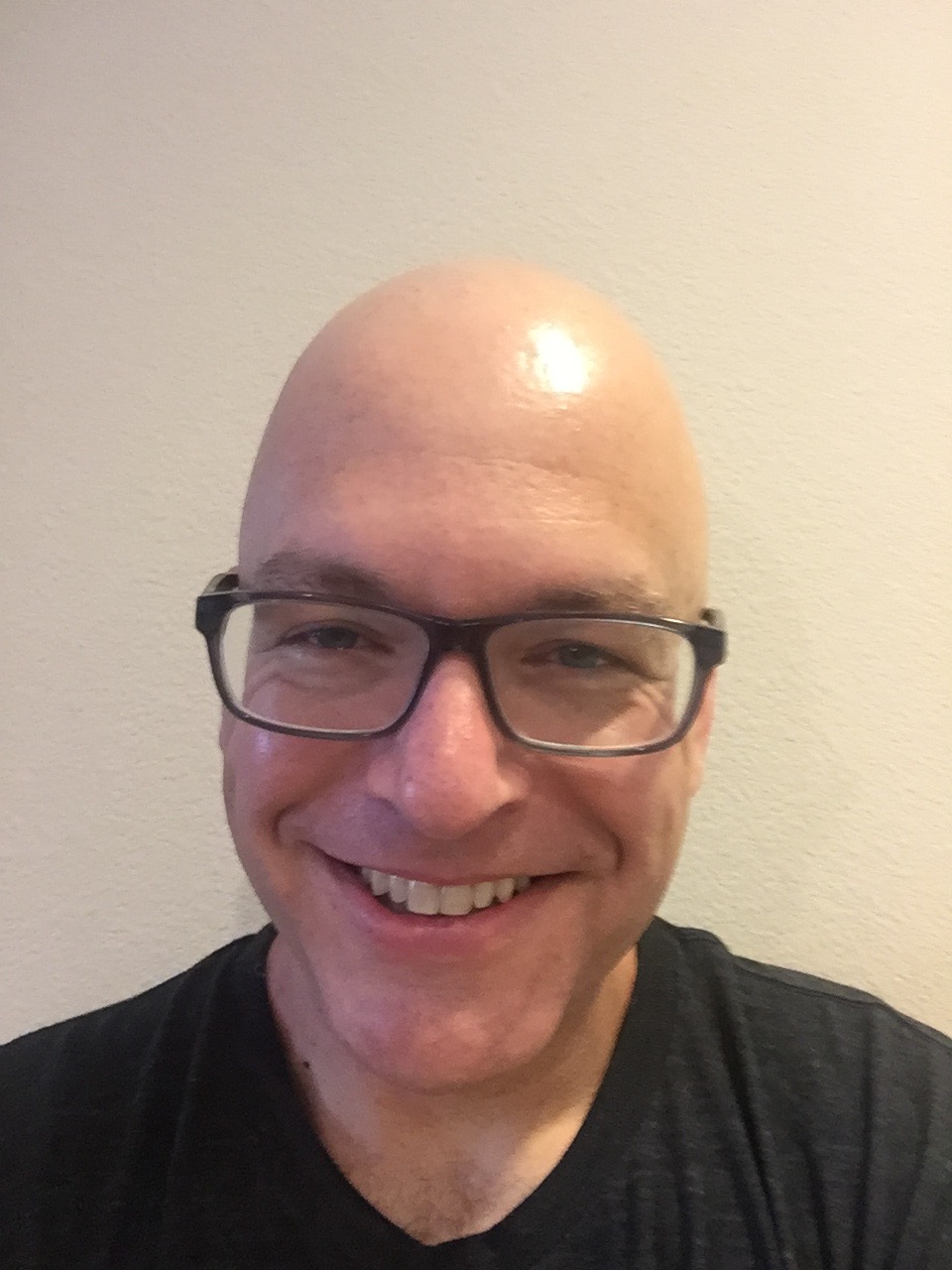
With work experience both as a software engineer and a research scientist, as well as a PhD from UCLA, I am happiest when applying creativity towards an end-to-end solution. I like to help you attack a problem all the way from problem definition, through coming up with different creative ways to solve it, all the way to evaluation, implementation and deployment.
I'm currently teaching applied machine learning at Berkeley. I try and gain deep understanding about every topic and give the same intuition to my students.
Whatever dude! Why you? I'm creative, been told I am fun to talk to and I'm obsessive about adding value.
Previous relevant work:
- Yahoo Labs - Worked as an early member of the Knowledge Graph team - Defined the specific entity reconciliation problem, implemented a framework to extract custom features, explored different machine learning models as well as "Auto ML" approaches, finally implementing and deploying it in production.
- Talla - Designed and implemented a framework for feature extraction for machine learning. The framework supported building the features, training the machine learning models, defining data processing pipelines, and finally it supported deploying the resulting models.
- CircleUp - Review entity reconciliation process and code. Gave recommendations that led to an increase in recall and reduction of the variance of the models deployed. I also advised on code refactoring to simplify the code, graph database deployment and some specific issues in entity reconciliation.
- BlueOrange - Designed an information extraction system for a particularly challenging data source built on badly scanned documents. This included evaluating different OCR engines, designing post OCR machine learning based infomation extraction and evaluating additional pre-processing techniques. A different sort of work involved writing a white paper on machine learning's effect on business intelligence and helping writing client facing presentations.